Understanding Personal & Advanced Care
Two levels of non-medical support - from light daily assistance to specialized, hands-on care - so your loved one gets exactly the right amount of help at home.

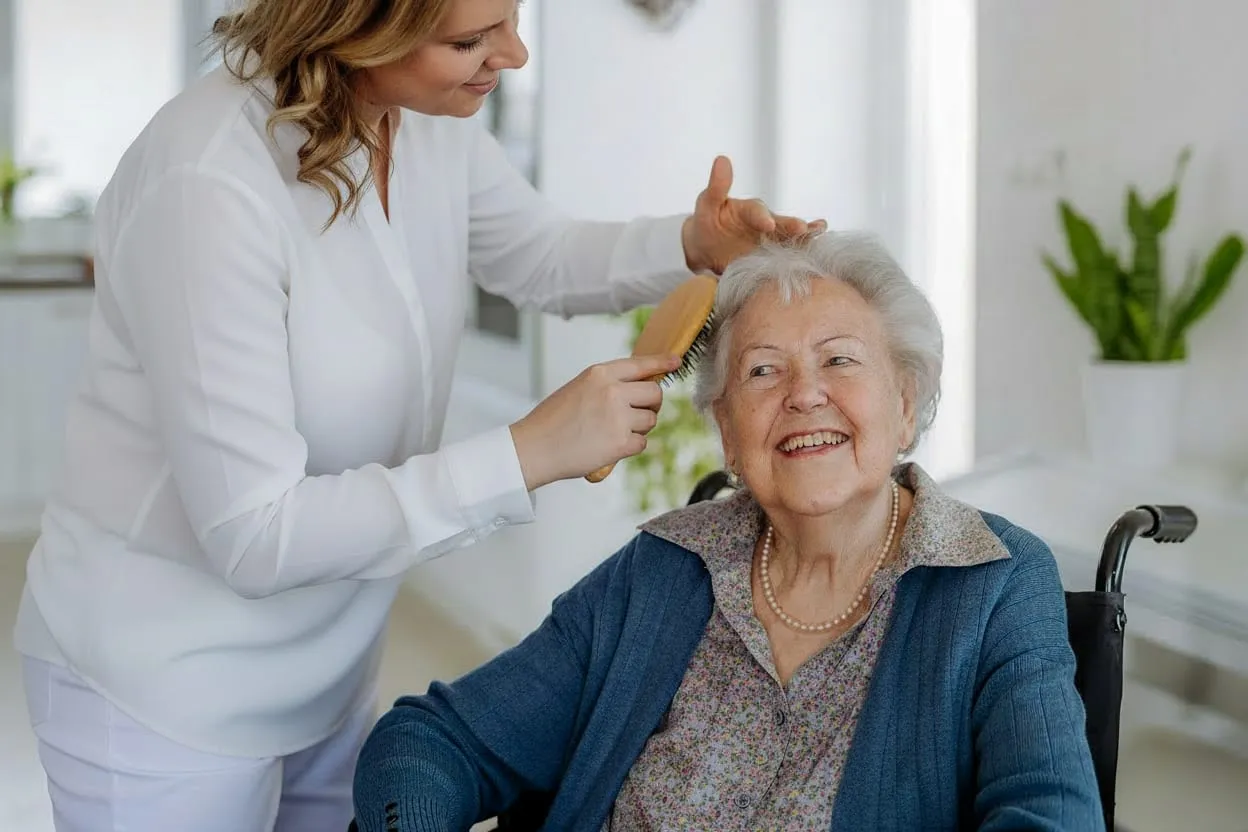
Personal care at home is non-medical help with daily activities such as grooming, dressing, bathing, and getting around. HomeCare.com offers two levels. Personal companion care gives light daily support. Advanced companion care adds hands-on help and cognitive support. Neither level includes medical treatment.
What personal and advanced care mean
As individuals age or face health challenges, in home companion care services become essential for maintaining independence and quality of life. Among these services, personal and advanced companion care play a crucial role in ensuring comfort, safety, and emotional well-being. We are here to help families understand the distinctions and benefits of both types of care and to provide the care that is right for your family.
Personal companion care is non-medical services designed to assist individuals with daily activities and provide social interaction. It's ideal for seniors, people with disabilities, or those recovering from illness who need extra support but do not require medical assistance.
Services in personal companion care
Basic daily support and social interaction for those who don't require medical assistance.
Companionship & emotional support
Conversations, games, reading, and accompanying individuals on walks.
Household assistance
Light housekeeping, laundry, and meal preparation.
Transportation & errands
Grocery shopping, medical appointments, and running errands.
Medication reminders
Ensuring medications are taken on time (not administered).
Personal care assistance
Help with grooming, dressing, and mobility support.
Services in advanced companion care
All the services of personal companion care, plus specialized assistance for higher-need situations.
Advanced care
More hands-on assistance with bathing, toileting, and hygiene.
Mobility support
Helping clients move safely, including bed-to-chair transfers and walking assistance.
Cognitive support
Memory-stimulating activities and structured routines for dementia or Alzheimer's.
Increased safety
Monitoring and reducing fall risk, preventing wandering, and ensuring a safe home.
Respite care for family
Relief for family caregivers while their loved one still receives quality care.
Benefits of personal & advanced companion care
Enhanced quality of life
Helps individuals maintain independence while improving emotional well-being.
Social & emotional support
Reduces loneliness and increases engagement and companionship.
Safety & supervision
Helps prevent falls, accidents, and memory-related incidents.
Relief for family caregivers
Lets family members rest, work, and balance responsibilities.
Personal vs. advanced companion care
Basic daily support
- Level of assistance
- Basic daily support.
- Medical involvement
- No medical tasks.
- Ideal for
- Individuals needing social support and light assistance.
Higher-level care
- Level of assistance
- Higher level of personal care and safety assistance.
- Medical involvement
- May assist with complex personal care needs, but no medical treatment.
- Ideal for
- Those with mobility challenges, cognitive decline, or higher personal care needs.
Quick facts.
- Personal companion care
- Non-medical help with daily activities and social interaction; basic daily support.
- Advanced companion care
- All personal care services plus specialized assistance for mobility challenges or cognitive impairments.
- Medical involvement
- Neither includes medical treatment; advanced care may assist with more complex personal care needs.
- How to choose
- Light assistance and social support → personal care. Mobility or cognitive needs → advanced care.
Plan your parent's care.
We'd suggest
Hands-on help with bathing, dressing and getting around safely at home.
about $4,550/month
6 hrs x 5 days x 52 weeks / 12 x $35/hr (U.S. median)
Market medians from the CareScout Cost of Care Survey 2025, not HomeCare.com prices. A care advisor prices your actual schedule.
Personal and advanced care: questions families ask.
Read next
Terms: Personal care, Activities of daily living (ADLs), Toileting, Bathing, Medication reminder, Fall risk
What is personal care at home?
Personal care at home is non-medical, hands-on help with daily activities. It covers grooming, dressing, bathing, toileting, hygiene, and moving safely. At HomeCare.com, light help falls under personal companion care. More hands-on help falls under advanced companion care. Neither level includes medical treatment.
What are activities of daily living?
Activities of daily living, often called ADLs, are basic self-care tasks. They include bathing, dressing, toileting, eating, moving from bed to chair, and walking. Needing help with these tasks is a common sign that a person may benefit from personal care at home.
Who helps with bathing and toileting?
Advanced companion care (Level Two) includes more hands-on help with bathing, toileting, and hygiene. A non-medical caregiver provides it with respect for privacy. Personal companion care (Level One) covers lighter help such as grooming and dressing. Neither level includes medical treatment.
What is the difference between personal care and home health care?
Personal care is non-medical help with daily living from a caregiver. Home health care is clinical care, such as wound care or therapy, from nurses or licensed therapists. HomeCare.com provides non-medical care only. Medication help is limited to reminders, and caregivers do not administer medication.
How do I choose between Level One and Level Two care?
Choose Level One if your loved one needs light help and company. Choose Level Two if there are mobility challenges, memory loss, or a need for hands-on help with bathing and toileting. Needs change over time, so the level can change too. A care advisor can help you decide.
Can personal care include dementia support?
Yes, within non-medical limits. Advanced companion care includes cognitive support, such as memory-stimulating activities and structured routines. It also includes fall-risk and wandering safety. It does not include medical treatment. See our dementia care page for how families use it at home.
Personal and advanced care near your parent.
Other kinds of care.
Ready to talk about personal and advanced care?
Free consultation. No minimums, no contracts.
800-974-3458